
Fashion’s Natural Resource Crisis (2025) Part 1: How Fashion Crossed Planetary Limits
Updated: Dec 28, 2025

By Falcon Research | December 2025
The global fashion industry has officially crossed a line.
In 2025, fashion is no longer just “unsustainable.”
It has become one of the world’s most resource-extractive industries, operating at a scale that ecosystems and regulators can no longer absorb.
This is the first article in a three-part series examining how fashion reached this point, who is driving the damage, and why 2025 marks a turning point.
Water: From Resource Use to Resource Collapse

Fashion is the second-largest consumer of freshwater globally, using an estimated 93 billion cubic meters every year.
To put this into perspective:
One cotton T-shirt requires ~2,700 liters of water
That equals 2.5 years of drinking water for one person
The problem does not end with consumption.
Textile dyeing and finishing account for around 20% of global industrial wastewater, often discharged untreated.
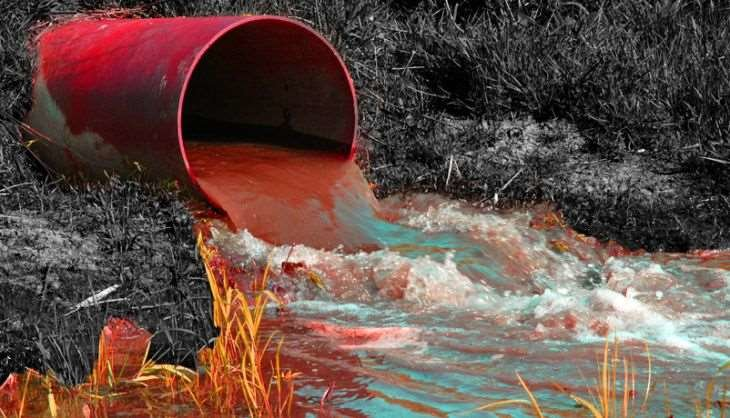
Manufacturing hubs across India and Bangladesh face:
Contaminated rivers
Groundwater toxicity
Long-term agricultural damage
Water is not just used by fashion — it is sacrificed.
Carbon & Fossil Fuel Dependency

Fashion contributes around 10% of global greenhouse-gas emissions, with annual emissions approaching 944 million tonnes of CO₂.
The key driver is material choice.
More than 70% of textiles are now synthetic, primarily polyester and nylon. These materials are derived from fossil fuels, consuming an estimated 342 million barrels of oil annually.
Even “recycled polyester” often delays — rather than eliminates — fossil dependency, while production volumes continue to rise.
Waste and the Microplastic Crisis

Fashion’s linear model — take, make, dispose — generates:
92 million tonnes of textile waste per year
The equivalent of one garbage truck of clothing every second
Synthetic garments create an additional invisible crisis.
Each wash releases microfibers, sending ~500,000 tonnes of plastic particles into oceans annually — comparable to 50 billion plastic bottles.
Microplastics now appear in:
Marine life
Drinking water
Human bloodstreams
Why 2025 Is Different
For decades, these impacts were treated as acceptable side effects of growth.
In 2025, they are no longer tolerated.
Water stress, carbon limits, and waste accumulation have converged — triggering regulation, lawsuits, and public scrutiny.
➡️ If the damage is this visible, who is still driving overproduction?Part 2 exposes the industry’s biggest defaulters.


Comments